

How does nostalgia marketing work?
How does nostalgia marketing work?
We all have that core memory. Maybe it’s blowing into a Nintendo cartridge, recording songs off the radio, or collecting glittery stickers in your school diary. Whatever your version of the past looks like, that warm, familiar glow? Brands have figured out how to bottle it — and sell it back to us.
This isn’t just clever branding. It’s a deeply effective psychological strategy known as nostalgia marketing. At its best, it doesn’t simply remind us of a product — it reconnects us with a feeling. A time. A version of ourselves we miss or idealize.
In a world that’s constantly speeding forward, nostalgia offers a rare pause — a moment of emotional clarity that makes us more receptive, more trusting, and, yes, more willing to buy.

The Science Behind the Sentiment
Nostalgia isn’t fluff.
It’s a powerful neurological experience.
Studies show that when people are primed with nostalgic memories, the brain’s reward system activates — releasing dopamine and creating a warm sense of pleasure and belonging. This emotional state influences behavior, too.
In a pivotal study by Lasaleta, Sedikides, and Vohs (2014), participants exposed to nostalgic stimuli became more generous and more willing to spend, even valuing money less than those in the control group.

Nostalgia reduces stress, boosts optimism, and strengthens social bonds — qualities we all seek, especially in uncertain times. That’s what makes it such a powerful tool in marketing.
When we feel good, we’re more open to stories, more engaged with content, and more likely to convert.
Not Just a Vibe: It’s Generational
What makes nostalgia marketing especially effective is its flexibility across age groups.
For Millennials, it’s all about the 90s: Tamagotchis, Pokémon, neon windbreakers, and the early internet.
Gen Z? They’re falling for the early 2000s to Y2K — fashion, flip phones, and even Myspace-era fonts.

What’s interesting is that many Gen Zers never actually lived through these trends. This is what researchers call borrowed nostalgia — an emotional connection to an era that was never theirs, built through aesthetics, second-hand media, and cultural storytelling.
It’s less about personal memory and more about mood, tone, and symbolism.
In both cases, brands aren’t just selling products — They’re offering time travel.
How the Model Works: From Memory to Purchase
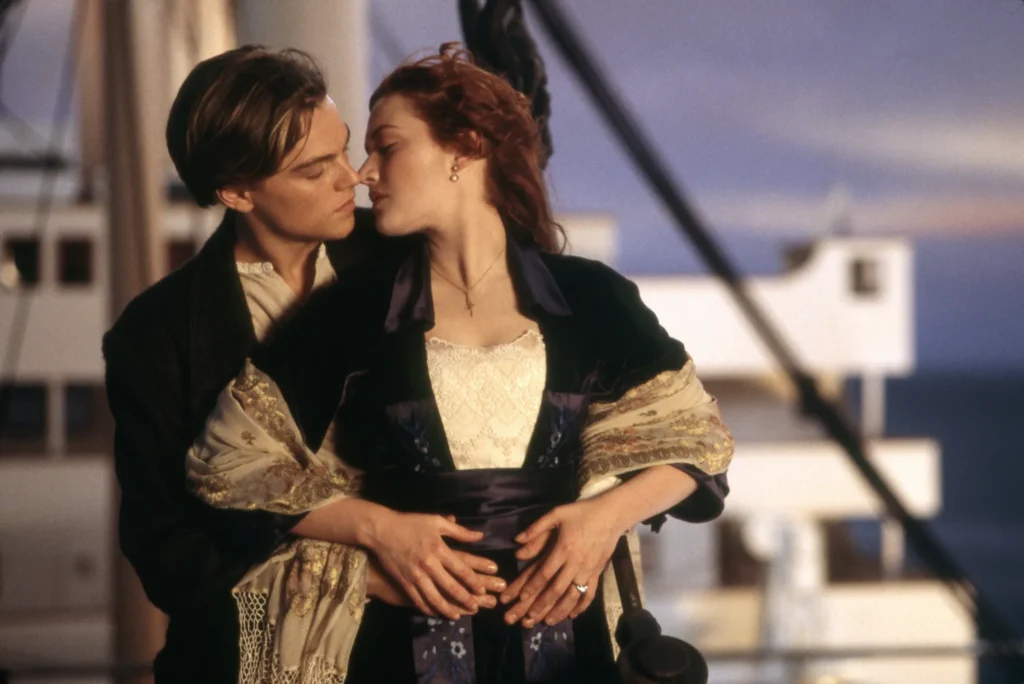
Consumer behavior researchers outline nostalgia marketing as a three-part process:
- Nostalgic Emotion – Triggered by sensory or symbolic cues: a jingle, a logo, a style.
- Nostalgic Cognition – The consumer reflects on identity-linked experiences or cultural touchstones.
- Nostalgic Behavior – That emotional connection translates into action: a like, a click, a purchase, or long-term brand loyalty.
When this process works well, a brand becomes more than a product. It becomes part of the consumer’s story.
Your Brand Has a Past — Use It
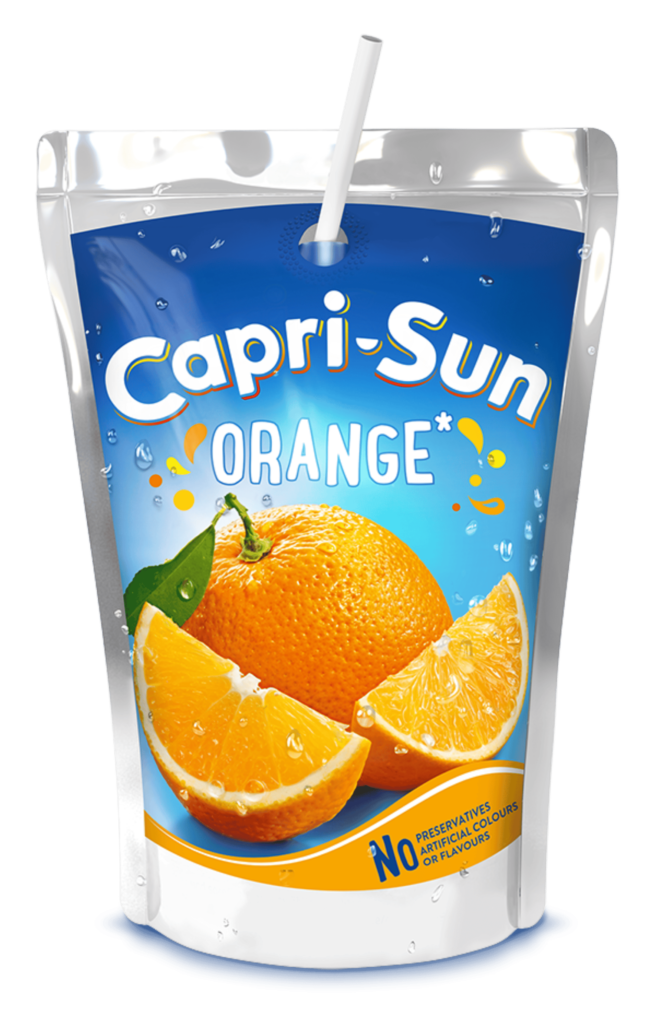
You don’t have to be Coca-Cola or Nintendo to use nostalgia marketing.
Even newer brands can tap into cultural memory through smart design, storytelling, or subtle nods to past eras.
Think of brands like Aimé Leon Dore or Heaven by Marc Jacobs, which borrow 90s and Y2K cues — not because they existed back then, but because their audience did.
For legacy brands, nostalgia is an even more powerful asset.
Relaunching classic products, revisiting old campaigns, or celebrating key milestones can create deep emotional resonance.
When consumers see a brand honoring its roots, it feels trustworthy.
Familiar.
Safe.
And safety, in today’s world, is a luxury.
Why does it work? Especially Now
Let’s zoom out.
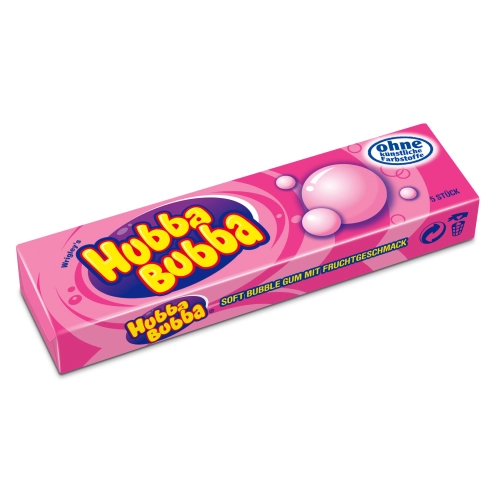
Nostalgia flourishes during times of uncertainty. Whether it’s a pandemic, climate anxiety, or tech-driven burnout, people instinctively seek comfort in the past. Nostalgia helps us feel anchored. It reminds us of who we are. It boosts our sense of meaning, connection, and self-continuity — especially when the future feels unpredictable.
And the twist? It doesn’t even have to be real to work.
Today’s teens romanticize disposable cameras not because they used them — but because they represent something: slowness, simplicity, and sincerity.
That’s the secret sauce.
Nostalgia isn’t about the past.
It’s about how the past makes us feel in the present.
So, What Should Brands Actually Do?
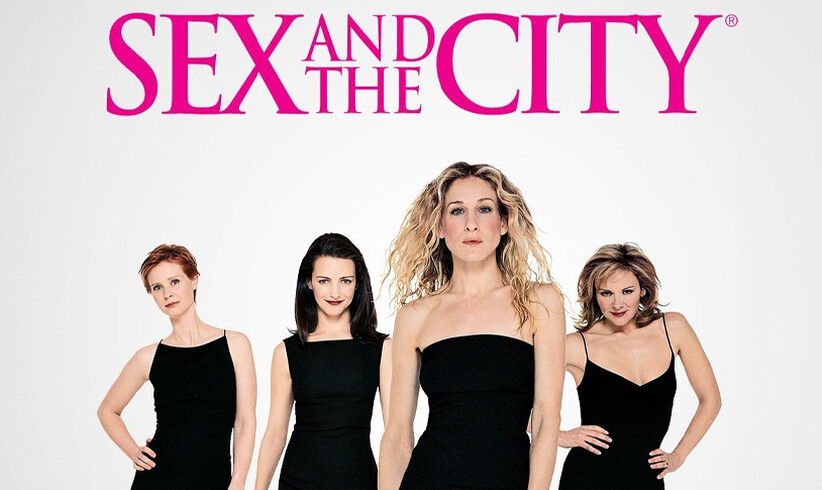
Here’s a quick blueprint:
- Be real. Sentimentality only works when it feels authentic. People can spot a fake faster than ever.
- Understand generational memory. Each audience has a different “good old days.” Do your research.
- Go beyond visuals. A retro font might catch attention, but emotional storytelling is what holds it.
- Blend old with new. The most successful nostalgia campaigns mix familiar references with modern relevance. Think Spotify Wrapped’s mixtape feel with real-time data.
The Past Isn’t Over
In a way, nostalgia marketing is less about memory and more about meaning.
It’s a strategy that speaks to something timeless in all of us:
the desire to feel safe, connected, and understood.
In a fragmented digital world, nostalgia offers cohesion.
It reminds us of who we were — and helps us imagine who we still might be.
When used thoughtfully, it turns brands into bridges:
Between generations.
Between past and present.
Between emotion and action.
And that?
That’s marketing magic.


